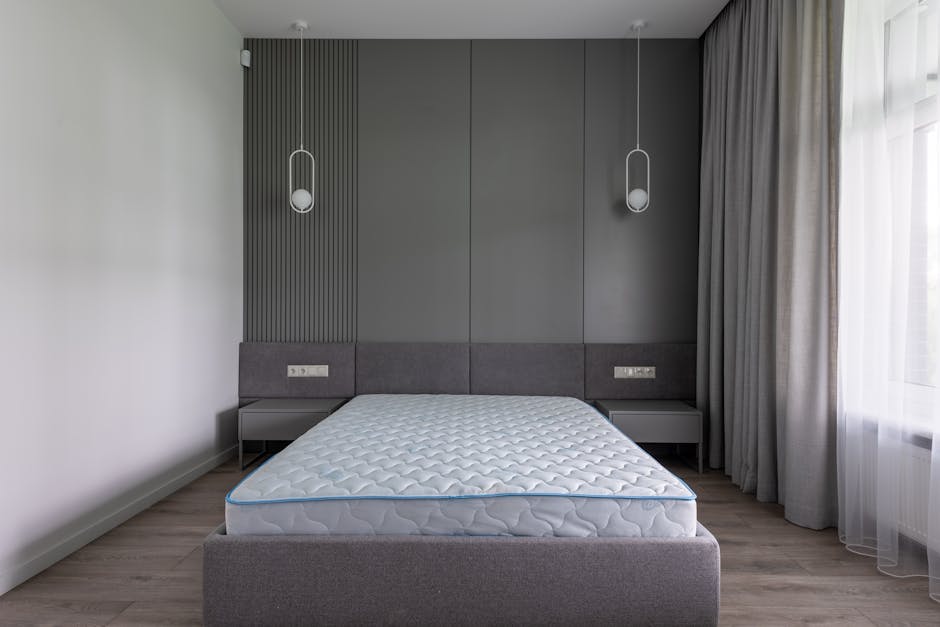
Up to 84% of adults experience low back pain at some point in life, yet a mattress that feels “extra supportive” is not always the better choice. Research summaries from the NIH, Sleep Foundation, and Mayo Clinic consistently show that spinal alignment, pressure relief, and body type matter more than simply choosing the firmest bed available.
Key Takeaways: For many adults with back pain, a medium-firm mattress often balances spinal support and pressure relief better than an ultra-firm surface. Firm mattresses may work well for some stomach sleepers, heavier individuals, and people who dislike deep sinkage, while medium mattresses can be a better fit for side sleepers, combination sleepers, and lighter bodies. The right pick depends on sleep position, body weight, and how evenly the mattress keeps the hips and shoulders aligned.
If you are comparing firm vs medium mattresses for back pain, the real question is not which one is universally “best.” It is which firmness profile is more likely to reduce strain on your spine while limiting pressure buildup through the shoulders, lumbar area, and hips.
Below is a research-based breakdown of how firm and medium mattresses compare, what the evidence suggests, and which type is more likely to suit specific sleep styles.

Quick Verdict: Is Firm or Medium Better for Back Pain?
For most sleepers with non-specific back discomfort, a medium-firm mattress is the safest starting point. Sleep Foundation and NIH-backed discussions frequently point to medium-firm surfaces because they tend to support neutral spinal posture without creating excessive pressure points.
That said, firm mattresses are not the wrong choice. They can perform better for sleepers over 230 pounds, some back sleepers who prefer a flatter surface, and stomach sleepers who need stronger resistance under the midsection.
| Feature | Firm Mattress | Medium Mattress |
|---|---|---|
| Typical firmness rating | 7-9/10 | 5-6.5/10 |
| Primary feel | Flatter, less sink, stronger pushback | Balanced contouring and support |
| Best for | Stomach sleepers, some back sleepers, higher body weights | Side sleepers, combo sleepers, many back sleepers |
| Pressure relief | Lower, especially at shoulders and hips | Moderate to high |
| Spinal alignment potential | Strong if body weight suits the bed | Strong for a wider range of body types |
| Common risk | Can feel too hard and create pressure points | Can feel too soft for some stomach sleepers |
If you want the short answer, medium-firm wins for the broadest range of back pain shoppers. But firm becomes more compelling when body weight, sleep posture, or foam sinkage has been the main problem on past mattresses.

What Research Reveals About Mattress Firmness and Back Pain
One of the most cited findings in mattress research is that medium-firm surfaces often outperform very firm models for people with chronic or recurring low back pain. NIH-indexed clinical studies have found improved comfort and disability scores when sleepers used medium-firm mattresses instead of hard ones.
Why does this happen? A mattress must do two jobs at once: hold the spine in neutral alignment and cushion heavier contact points. If a bed is too firm, the shoulders and hips may not sink enough, which can twist the lumbar region out of alignment. If a bed is too soft, the pelvis may drop too deeply and strain the lower back.
Sleep Foundation guidance echoes this balancing act. It notes that the best mattress for back pain depends on sleeping position and body weight, not marketing claims about orthopedic support. Mayo Clinic also emphasizes that sleep surfaces should support the natural curves of the spine rather than forcing a rigid posture.
- NIH: Medium-firm mattresses have shown benefits in pain reduction and comfort compared with harder surfaces in some studies.
- Sleep Foundation: Mattress firmness should match body type and sleep position to promote alignment.
- Mayo Clinic: Maintaining neutral spine posture matters more than choosing the hardest bed.
- Consumer Reports: Support, durability, and motion control vary by construction, not just firmness label.

Firm vs Medium: How Each Mattress Type Changes Spinal Support
How firm mattresses support the back
A firm mattress usually rates around 7 to 9 out of 10 on the firmness scale. It keeps the body more elevated on top of the surface and reduces deep compression through foam or pillow-top layers.
This can help if your hips tend to sag on softer mattresses. For stomach sleepers especially, stronger resistance under the pelvis may reduce lower back overextension.
How medium mattresses support the back
A medium mattress usually sits around 5 to 6.5 out of 10. It allows moderate contouring around the shoulders, hips, and lumbar curve while still maintaining pushback from the support core.
For many people with back pain, this profile creates a better pressure-relief-to-support ratio. That is why medium-firm models are so commonly recommended in sleep research roundups.
Where people get confused
“Firm” does not automatically mean “better support.” A well-built medium mattress with a durable coil system or high-density base foam can support the spine more effectively than a cheap firm mattress with poor materials.
Construction matters just as much as firmness label. Hybrid beds, zoned coils, and high-density transition foams can all influence back support more than a simple store tag reading “firm.”

Pricing and Feature Comparison: What Shoppers Usually See
While pricing varies by brand, queen-size mattresses marketed for back support tend to cluster within predictable ranges. The table below shows common specs shoppers compare when choosing between firm and medium options.
| Category | Firm Mattress | Medium Mattress |
|---|---|---|
| Common materials | Latex, dense foam, hybrid coils, zoned support | Memory foam, polyfoam, hybrid coils, plush comfort layers |
| Queen price range | $800-$2,400 | $700-$2,500 |
| Trial period | 90-365 nights | 90-365 nights |
| Warranty | 10 years to lifetime | 10 years to lifetime |
| Pressure relief level | Light to moderate | Moderate to high |
| Motion isolation | Moderate | Moderate to high |
| Ease of movement | High | Moderate |
For shoppers comparing actual products, it helps to look beyond the word “firmness” and evaluate return policy, edge support, and material density. A 365-night trial and a 10- to 20-year warranty are common markers in the online mattress category.
| Shopping Metric | Typical Good Benchmark | Why It Matters for Back Pain Buyers |
|---|---|---|
| Trial length | At least 100 nights | Back comfort often takes weeks to assess |
| Warranty | 10+ years | Early sagging can worsen spinal alignment |
| Return policy | Low-cost or free returns | Reduces risk if firmness feels wrong at home |
| Hybrid coil count/support zones | Varies by brand | Can improve lumbar reinforcement |
| Foam density | Higher density preferred for durability | Less premature softening under hips |

Pros and Cons of Firm Mattresses for Back Pain
Pros of firm mattresses
- Better pelvic support for some sleepers: Helps reduce midsection sinkage, especially for stomach sleepers.
- Easier movement: Less body hug can make repositioning easier during the night.
- Stronger support for heavier bodies: Sleepers above 230 pounds may get more stable alignment on a firm surface.
- Less “stuck” feeling: Often preferred by people who dislike slow-moving memory foam.
Cons of firm mattresses
- Can increase pressure points: Shoulders and hips may not sink enough, especially for side sleepers.
- May worsen discomfort in lighter sleepers: People under 130 pounds often do not compress firm beds enough for comfort.
- Not always best for chronic back pain: Very hard surfaces can be less forgiving than medium-firm designs.
Pros and Cons of Medium Mattresses for Back Pain
Pros of medium mattresses
- Broader comfort range: Often works for side, back, and combination sleepers.
- Better pressure relief: More contouring around joints can reduce tension around the lower back and hips.
- Research-friendly sweet spot: Medium-firm is commonly associated with balanced spinal support.
- Better partner compatibility: Motion isolation is often stronger in medium foam and hybrid designs.
Cons of medium mattresses
- Can feel too soft for some stomach sleepers: If the pelvis dips, the lumbar spine may arch.
- May soften faster in lower-quality builds: Cheap medium beds can develop body impressions sooner.
- Not ideal for everyone over 230 pounds: Some heavier sleepers may need firmer or more reinforced support.
Which One Should You Pick?
The better mattress for back pain depends on how your body interacts with the surface. The goal is a neutral spine, not a universally firm feel.
Pick a firm mattress if…
- You usually sleep on your stomach.
- You weigh more than 230 pounds.
- You have felt your hips sagging on softer beds.
- You prefer sleeping “on” rather than “in” the mattress.
- You want easier movement and stronger edge support.
Pick a medium mattress if…
- You sleep on your side or switch positions often.
- You weigh under 230 pounds and want balanced contouring.
- Your shoulder or hip pressure gets worse on hard beds.
- You want a safer all-around option for couples.
- You are shopping specifically for medium-firm back support.
Best by sleep style
Back sleepers: Usually do best on medium-firm to firm, around 6 to 8/10, depending on body weight. Too soft can let the pelvis dip, while too hard can flatten the lumbar curve unnaturally.
Side sleepers: Usually need medium or medium-firm, around 5 to 6.5/10, so the shoulders and hips can sink enough to keep the spine straight.
Stomach sleepers: Usually benefit from firm support, around 7 to 8.5/10, to prevent the abdomen and pelvis from collapsing downward.
Combination sleepers: Often do best with medium-firm hybrids that combine responsive coils with moderate cushioning.
What to Look for Beyond Firmness
If back pain is your main concern, firmness is only the first filter. Several mattress design features can influence whether your body feels supported after a full night of sleep.
- Zoned support: Firmer lumbar reinforcement and gentler shoulder cushioning can improve alignment.
- Hybrid construction: Pocketed coils plus foam layers often balance support and pressure relief better than basic all-foam beds.
- Latex comfort layers: Latex can feel supportive and responsive without excessive sink.
- High-density foams: Better durability matters because sagging can recreate the same back pain problem you were trying to fix.
- Trial period: A mattress should be tested for at least 30 nights, ideally 90 nights or more, since adjustment takes time.
Consumer Reports frequently emphasizes durability and support consistency in mattress performance. That matters for back pain because a bed that softens prematurely can lose the alignment you paid for.
FAQ
Is a firm mattress always better for lower back pain?
No. Research often favors medium-firm surfaces over very hard mattresses because they combine support with pressure relief. The best choice depends on body weight, sleep position, and mattress construction.
What firmness level is usually best for side sleepers with back pain?
Most side sleepers do better on a medium to medium-firm mattress, roughly 5 to 6.5/10. This helps the shoulders and hips sink enough to keep the spine aligned.
Can a mattress topper fix the wrong firmness for back pain?
Sometimes, but only within limits. A topper may soften a too-firm mattress or add slight firmness to a too-soft bed, but it usually cannot correct major sagging or poor support-core design.
How long should I test a new mattress for back pain relief?
Give it at least 2 to 4 weeks, unless pain clearly worsens. Many brands offer 90- to 365-night trials because the body often needs time to adapt to a different support profile.
Sources referenced: Sleep Foundation guidance on mattress firmness and sleep position, NIH-indexed research on medium-firm mattresses and low back pain, Mayo Clinic advice on spinal support during sleep, and Consumer Reports mattress evaluation criteria.
Disclaimer: This is informational content, not medical advice. Consult a healthcare professional for sleep disorders.
📌 You May Also Like