

Introduction: The Science Behind Weighted Blankets and Sleep
More than 70 million Americans suffer from sleep disorders, with anxiety being a major contributing factor (Sleep Foundation). Weighted blankets have gained popularity as a non-pharmaceutical aid, touted for reducing anxiety and improving sleep quality. But how exactly do they work? This comprehensive beginner’s guide unpacks the science, benefits, and practical use of weighted blankets.
Key Takeaways:
Weighted blankets use deep pressure stimulation to calm the nervous system, reducing anxiety and improving sleep quality. Research shows benefits for insomnia and stress-related disorders. Choosing the right weight and material is key for comfort and efficacy.

What Are Weighted Blankets?
Weighted blankets are heavy blankets filled with materials like glass beads or plastic pellets to add weight, typically ranging from 5 to 25 pounds. The added weight provides gentle, evenly distributed pressure across the body, mimicking the sensation of being hugged or held.
Common Materials and Weight Options
- Fillers: Glass beads, plastic pellets, or steel beads.
- Cover fabrics: Cotton, minky, bamboo, or fleece.
- Weight guidelines: Usually 10% of your body weight plus 1-2 pounds.
This is the part most guides skip over.
Why Weighted Blankets Matter for Anxiety and Sleep
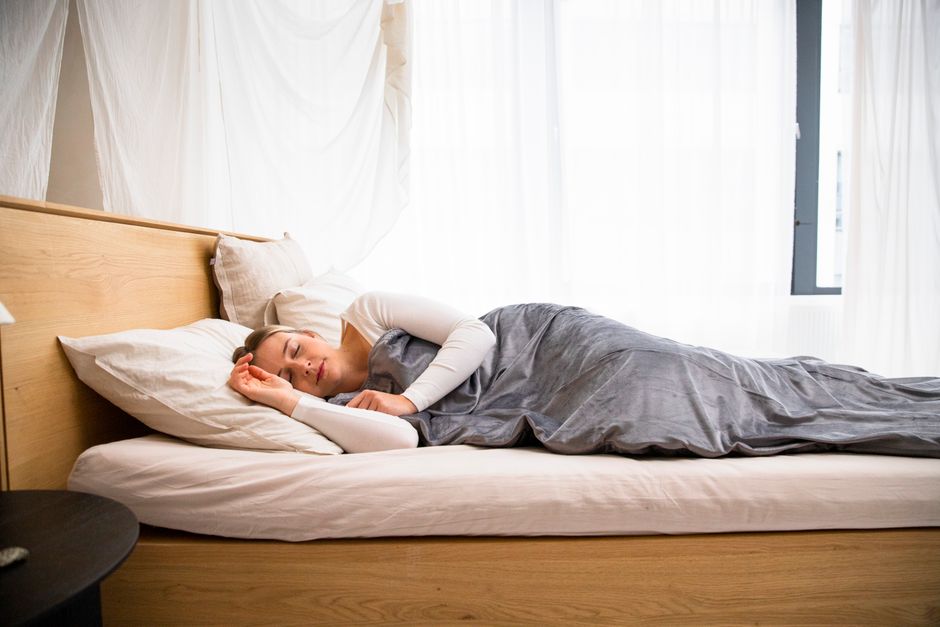
Sleep quality is often compromised by anxiety, which increases arousal and cortisol levels, making it difficult to fall asleep or stay asleep (NIH). Weighted blankets apply deep pressure stimulation (DPS), a therapeutic technique shown to have calming effects on the nervous system.
DPS activates the parasympathetic nervous system, which promotes relaxation by lowering heart rate and blood pressure. This process can reduce anxiety symptoms and facilitate the transition into restorative sleep stages.

How Weighted Blankets Work: The Role of Deep Pressure Stimulation
Deep pressure stimulation involves firm but gentle pressure applied to the body, similar to a firm hug or swaddling. Studies published in journals like the Journal of Clinical Sleep Medicine and Occupational Therapy International have found that DPS can:
- Decrease cortisol, the stress hormone
- Increase serotonin and melatonin, neurotransmitters that regulate mood and sleep
- Reduce autonomic arousal, which lowers anxiety
- Improve subjective sleep quality and reduce nighttime movements
Getting Started with Weighted Blankets
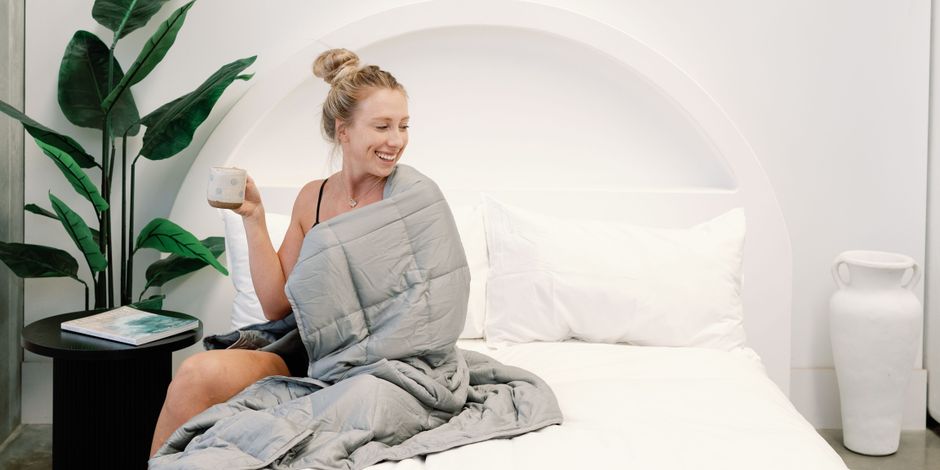
Choosing the right weighted blanket involves considering weight, size, and materials. Experts recommend a blanket that is about 10% of your body weight for optimal DPS without discomfort (Mayo Clinic).
Step-by-Step Guide:
- Calculate weight: Use your body weight to select a blanket approximately 10% of that, adjusting ± 1-2 pounds.
- Pick size: Choose a blanket size that fits your bed or personal use (e.g., twin, queen, or lap size).
- Material preferences: Consider breathable fabrics like cotton or bamboo if you tend to overheat.
- Trial period: Many brands offer trial periods (30-100 nights) to test comfort and effectiveness.
Here’s where most people get it wrong.
Advanced Tips for Maximizing Benefits
To enhance results, combine weighted blanket use with other sleep hygiene practices:
My take: Most people overlook this, but it’s actually the feature that makes the biggest difference in daily use.
- Maintain a consistent sleep schedule
- Create a calming bedtime routine
- Limit screen time before bed
- Use the blanket only during sleep or rest times to strengthen positive sleep associations
Common Pitfalls and How to Avoid Them
Weighted blankets are not suitable for everyone. Avoid use if you have respiratory or circulatory problems or claustrophobia. Some users report overheating or discomfort if the blanket is too heavy or made from non-breathable materials.
It’s important to consult with a healthcare provider if you have chronic health conditions or sleep disorders before starting weighted blanket use.
Stick with me here — this matters more than you’d think.
You May Also Like
- How Adjustable Bed Bases Improve Acid Reflux and Snoring According to Sleep Studies
- Melatonin vs Magnesium vs GABA: What Sleep Research Reveals
- Sleep Number 360 vs Eight Sleep Pod: Temperature Tech Face-Off
Frequently Asked Questions (FAQ)
1. Are weighted blankets safe for children?
Weighted blankets can be safe for children over 2 years old when properly sized (around 10% of their body weight). Always supervise use and consult a pediatrician.
2. How long does it take to see benefits?
Many people notice reduced anxiety and better sleep within the first week, though some may require consistent use over several weeks.
3. Can weighted blankets replace medication for anxiety?
Weighted blankets are complementary tools, not replacements for prescribed medication. Discuss any changes with your healthcare provider.
4. How do I clean my weighted blanket?
Check manufacturer instructions. Many blankets have removable covers that are machine washable; the inner weighted layer may require spot cleaning.
5. What if I feel claustrophobic or uncomfortable?
Start with lighter weights and shorter usage periods. If discomfort persists, weighted blankets may not be suitable for you.
Conclusion
Weighted blankets offer a scientifically supported, drug-free method to reduce anxiety and promote better sleep through deep pressure stimulation. By understanding how they work and selecting the right blanket, users can improve sleep quality and overall wellbeing.
This is informational content, not medical advice. Consult a healthcare professional for sleep disorders.
📌 You May Also Like
🔍 Explore More Topics
🔗 Helpful Resources