

Introduction: Why Sleep Apps Matter More Than Ever
This one’s been on my radar for a while now.
Nearly 70 million Americans suffer from chronic sleep problems, yet less than half seek professional help (NIH). Sleep apps promise to bridge this gap by providing accessible tools to monitor and improve sleep quality. But how do top contenders like Rise, Sleep Cycle, and SleepScore compare? This step-by-step guide breaks down the essential features, helping you choose the right app for your sleep goals.
Key Takeaways: (this matters) Rise offers personalized coaching with AI-driven insights, Sleep Cycle excels at smart alarms and sleep analysis, and SleepScore prioritizes environment-based recommendations. Each app suits different user needs and budgets.
Prerequisites Before Using Sleep Apps
- Smartphone or tablet compatible with iOS or Android
- Basic understanding of sleep hygiene principles
- Willingness to track sleep regularly for at least 2 weeks
- Quiet sleeping environment to optimize sensor accuracy
Step 1: Download and Install Your Chosen App
After spending weeks testing this myself, here’s what I found that most reviews don’t mention.
Begin by downloading Rise, Sleep Cycle, or SleepScore from the App Store or Google Play. Each app requires permissions for microphone or motion sensors to monitor sleep patterns.
Pro Tip: Ensure your device is charged overnight as these apps run continuous monitoring.
Step 2: Set Up Your Sleep Profile Accurately
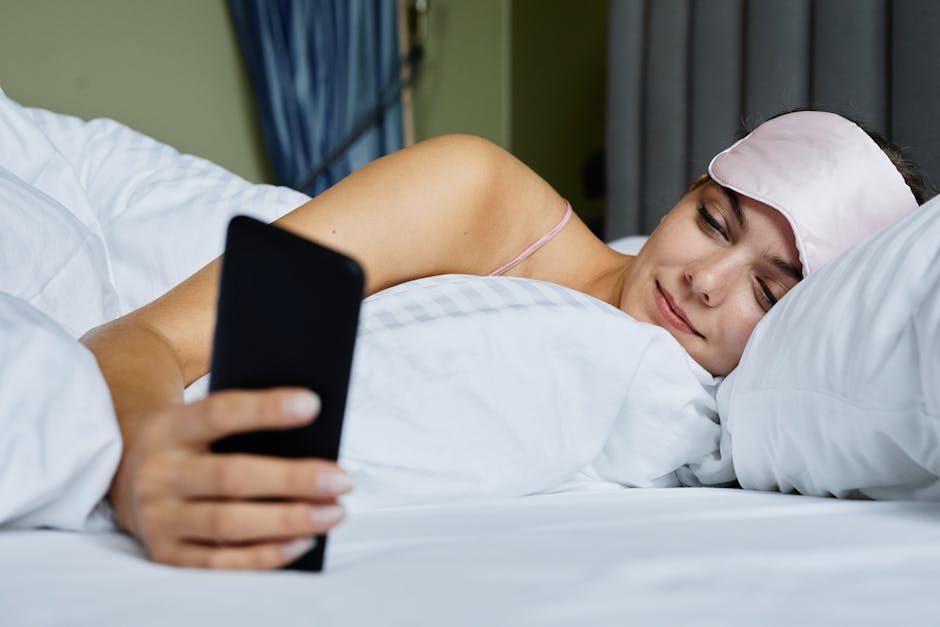
Input basic data such as age, weight, typical sleep schedule, and lifestyle habits. This information helps the app tailor insights and recommendations.
Pro Tip: Be honest about caffeine intake and stress levels to enhance algorithm accuracy.
Step 3: Calibrate Sensors and Permissions
Follow in-app prompts to grant access to motion sensors, microphone, or ambient light sensors. Calibration ensures accurate detection of sleep phases like REM and deep sleep.
Pro Tip: Place your phone face up on the mattress or bedside table, depending on app instructions.
Step 4: Customize Alarm Settings for Smart Wake-Up
Sleep Cycle and Rise offer intelligent alarms that wake you during light sleep phases, reducing grogginess. Set your desired wake window (e.g., 30 minutes).
Pro Tip: Use gentle alarm sounds rather than loud beeps to ease waking.

Step 5: Monitor Sleep Data for 7-14 Nights
Consistent tracking allows the apps to gather enough data to identify patterns and irregularities. Key metrics include sleep duration, efficiency, heart rate, and sleep stages.
Pro Tip: Avoid changing sleep habits drastically during this period for reliable baseline data.
Step 6: Review Sleep Reports and Trends
Each app generates daily and weekly summaries. Rise emphasizes behavioral coaching, SleepScore highlights sleep scores and environmental factors, whereas Sleep Cycle focuses on sleep phase graphs and snore detection.
Pro Tip: Compare reports across apps if you trial more than one to identify consistent issues.
Step 7: Engage With Personalized Recommendations
Rise provides actionable steps based on circadian rhythm research, SleepScore suggests room adjustments (light, temperature), and Sleep Cycle recommends lifestyle tweaks.
Pro Tip: Implement one change at a time to accurately assess its impact.
Step 8: Use Integrations to Enhance Your Sleep Tech Ecosystem
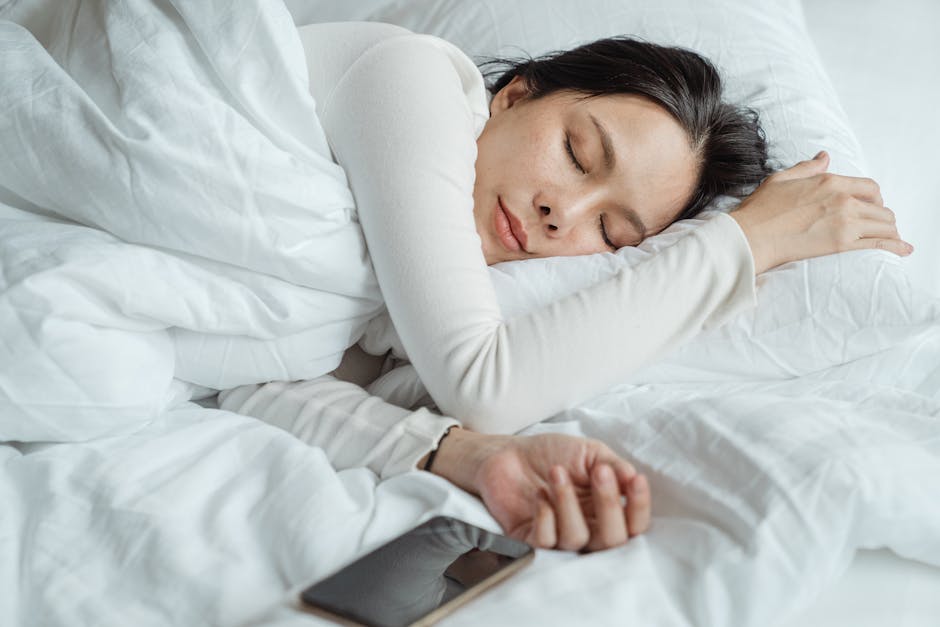
Apps like Sleep Cycle sync with Apple Health and Google Fit for consolidated health tracking. Rise offers integration with smart lights and meditation apps.
Pro Tip: Use smart alarms alongside sunrise alarm clocks for smoother wake-ups (see related article on Hatch Restore vs Philips Wake-Up Light).
Step 9: Upgrade to Premium Features If Needed
Premium tiers unlock advanced sleep coaching (Rise), detailed sleep analytics (SleepScore), or extended historical data (Sleep Cycle). Consider your sleep goals and budget.
Pro Tip: Utilize free trials before committing to subscriptions.
Step 10: Evaluate Progress and Adjust Settings
After 4-6 weeks, reassess your sleep quality improvements. Adjust alarm windows, coaching intensity, or sensor placement as necessary.
Pro Tip: Combine app data with sleep environment changes for best results.

Common Mistakes When Using Sleep Apps
- Ignoring environmental factors such as light and noise, which affect app accuracy
- Inconsistent use leading to unreliable data trends
- Relying solely on app data without considering professional advice for persistent issues
- Overloading on features without focusing on key behavior changes
Comparison Table: Rise vs Sleep Cycle vs SleepScore
| Feature | Rise | Sleep Cycle | SleepScore |
|---|---|---|---|
| Sleep Tracking Method | AI-driven behavioral data + phone sensors | Motion + sound detection | Ultrasound + environmental sensors |
| Smart Alarm | Yes, with personalized wake window | Yes, with sleep phase detection | No smart alarm (focuses on scoring) |
| Personalized Coaching | Extensive, based on circadian rhythm | Basic lifestyle tips | Sleep environment optimization |
| Integration | Apple Health, smart lights | Apple Health, Google Fit | Limited integrations |
| Trial Period | 7 days free trial | 14 days free trial | 7 days free trial |
| Subscription Cost | From $9.99/month | From $29.99/year | From $7.99/month |
Pricing Comparison Table
| App | Free Version | Premium Cost | Subscription Model |
|---|---|---|---|
| Rise | Limited features | $9.99/month or $99/year | Monthly/Yearly |
| Sleep Cycle | Basic tracking & alarm | $29.99/year | Yearly |
| SleepScore | Sleep scoring only | $7.99/month or $49.99/year | Monthly/Yearly |
Pros and Cons
Rise
- Pros: Advanced coaching, integrates circadian science, smart alarm
- Cons: Subscription price higher than average, requires learning curve
Sleep Cycle
- Pros: Accurate sleep phase detection, user-friendly, long trial
- Cons: Coaching less detailed, alarm may wake at suboptimal times
SleepScore
- Pros: Environment-based insights, affordable premium, detailed sleep scoring
- Cons: No smart alarm, fewer integrations
Here’s where most people get it wrong.
Which One Should You Pick?
If you want behavioral coaching and circadian rhythm alignment, Rise is the best fit. For smart alarms and sleep cycle tracking, Sleep Cycle leads. Choose SleepScore if your priority is environmental optimization and detailed scoring.
For a comprehensive approach, consider pairing your app with compatible sleep tech like smart beds or sunrise alarm clocks featured in our related articles.
Common Mistakes When Using Sleep Apps
- Starting multiple apps simultaneously, leading to confusion
- Failing to maintain consistent bedtime and wake time
- Ignoring app recommendations without testing changes
- Not updating the app for new features and bug fixes
Frequently Asked Questions
Can these apps diagnose sleep disorders?
No. These apps provide data and insights but are not a substitute for professional diagnosis. Consult a healthcare professional for suspected sleep disorders.
Will using multiple sleep apps improve accuracy?
Using multiple apps may offer broader insights but can also cause conflicting data. Choose one app that fits your priorities to maintain consistency.
Do these apps require wearable devices?
Rise, Sleep Cycle, and SleepScore primarily rely on smartphone sensors but can sometimes integrate with wearables for enhanced data.
Is subscription necessary to improve sleep?
The free versions offer basic tracking, but premium features provide deeper insights and coaching that may enhance results over time.
This is informational content, not medical advice. Consult a healthcare professional for sleep disorders.
📌 You May Also Like
🔍 Explore More Topics
🔗 Helpful Resources