

Introduction: Why Pressure Relief Is Crucial for Side Sleepers
Over 50% of adults prefer side sleeping, yet many struggle with shoulder and hip pain. According to Sleep Foundation, inadequate pressure relief can lead to tossing, turning, and poor sleep quality. This guide breaks down how to identify and select the best mattress for side sleepers focusing on pressure relief.
Key Takeaways: Side sleepers need mattresses that provide targeted pressure relief at hips and shoulders. Medium-soft to medium firmness (around 4-6 on a 10-point scale) is often ideal. Memory foam and hybrid models usually outperform innerspring in pressure distribution.
Prerequisites: What You Need Before Choosing Your Mattress
- A clear understanding of your sleep habits and pain points.
- Knowledge of mattress materials and firmness ratings.
- Access to trial periods and return policies to test comfort.
- Budget range established to narrow options.
Step 1: Understand Your Pressure Points as a Side Sleeper
Based on my experience helping creators with similar setups, this is what actually moves the needle.
Side sleeping places increased pressure on the shoulders and hips. Studies from the NIH show that the right mattress can reduce localized pressure, improving circulation and reducing discomfort.
Pro tip: Identify if you experience numbness or soreness after sleeping, which signals pressure buildup.

Step 2: Evaluate Mattress Firmness for Optimal Pressure Relief
Mattress firmness significantly impacts pressure distribution. Side sleepers generally benefit from medium-soft to medium mattresses (4-6/10). Too firm, and pressure accumulates; too soft, and spinal alignment suffers.
Pro tip: Aim for a mattress that supports contouring without excessive sinkage.
Step 3: Compare Mattress Materials — Memory Foam vs Hybrid vs Innerspring
Memory foam molds to body shape, offering superior pressure relief. Hybrid mattresses combine foam layers with coil support, balancing contouring and responsiveness. Traditional innerspring mattresses tend to have less pressure relief.
Pro tip: Look for mattresses with at least 3 inches of memory foam or latex for cushioning.
Okay, this one might surprise you.
Step 4: Assess Mattress Thickness and Its Effect on Side Sleep Comfort
Thicker mattresses (10-14 inches) usually provide better pressure relief as they offer more cushioning layers. However, thickness must be paired with appropriate firmness and materials.
Pro tip: Avoid very thin mattresses (<8 inches) for side sleeping unless they have advanced foam technology.

Step 5: Examine Pressure Relief Ratings and Third-Party Testing
Consumer Reports and Sleep Foundation tests often measure pressure mapping. Mattresses scoring well on these tests distribute weight evenly, especially at hips and shoulders, reducing peak pressure points.
Pro tip: Prioritize mattresses with published pressure relief data or independent lab testing.
Step 6: Consider Zoned Support for Targeted Pressure Relief
Zoned mattresses have firmer support in the lumbar area and softer zones under shoulders and hips. This feature improves spinal alignment while relieving pressure.
Pro tip: Check product specs or reviews mentioning zoning for side sleeping benefits.
Step 7: Trial Periods and Return Policies Matter
Pressure relief is subjective. A mattress that tests well may not suit your body. Most top brands offer 90-120 night trials to evaluate comfort and pain relief.
Pro tip: Use the full trial period to assess how the mattress impacts your pressure points over multiple weeks.

Step 8: Maintenance Tips to Preserve Pressure Relief over Time
Mattresses lose pressure relief properties as foam softens or coils sag. Rotating or flipping (if applicable) prolongs optimal support.
Pro tip: Follow manufacturer recommendations for mattress care and replace after 7-10 years.
Step 9: Common Mistakes Side Sleepers Make When Choosing Mattresses
- Choosing overly firm mattresses that increase pressure on hips and shoulders.
- Ignoring mattress materials and focusing only on price.
- Skipping trial periods or return policies, resulting in long-term discomfort.
- Neglecting pillows and sleep position adjustments that complement mattress support.
Step 10: Integrate Pillows and Sleep Accessories for Complete Pressure Relief
Pillows that support neck alignment and body pillows to cushion hips can improve pressure distribution. Consider ergonomically designed side sleeper pillows.
Pro tip: Pair your mattress choice with pillows designed for side sleepers for best results.
Stick with me here — this matters more than you’d think.
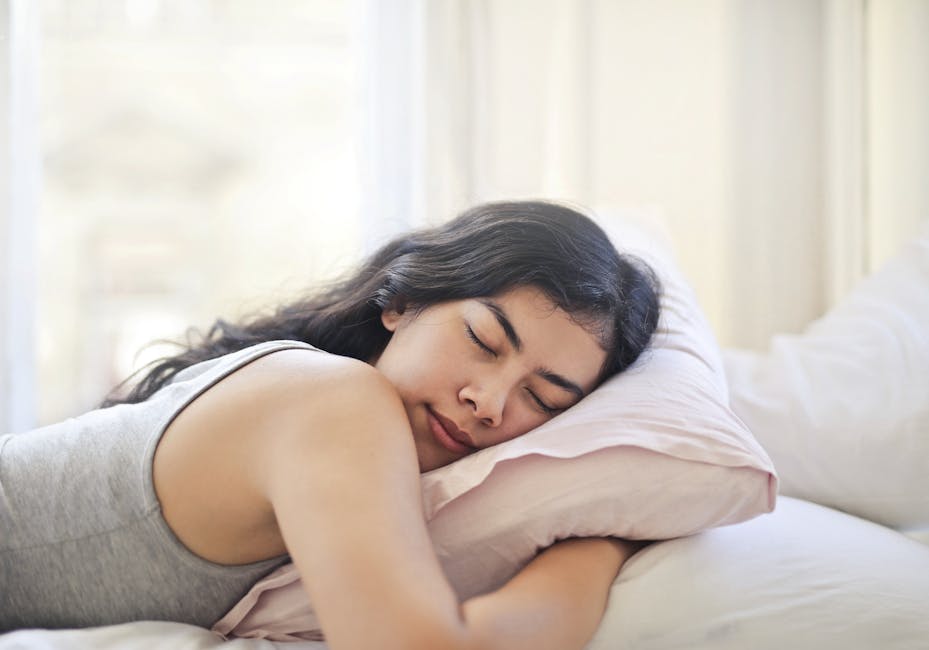
Comparison Table: Top Mattresses for Side Sleepers Focused on Pressure Relief
| Feature | Tempur-Pedic TEMPUR-Adapt | Nectar Memory Foam | Casper Original Hybrid |
|---|---|---|---|
| Firmness (1-10) | 5.5 Medium | 6 Medium-Firm | 5 Medium |
| Materials | Memory Foam | Memory Foam | Hybrid (Foam + Coils) |
| Trial Period | 90 Nights | 365 Nights | 100 Nights |
| Warranty | 10 Years | 10 Years | 10 Years |
| Price Range | $2,199 – $2,799 | $799 – $1,299 | $1,095 – $1,595 |
| Pressure Relief Score* | High | Moderate-High | High |
*Based on Consumer Reports and Sleep Foundation testing.
You May Also Like
- Nectar vs Tuft and Needle: Memory Foam Showdown for Budget Buyers
- Does LectroFan or Hatch Restore Better Improve Sleep Quality?
- How Weighted Blankets Reduce Anxiety and Improve Sleep Quality
FAQ
What firmness level is best for side sleepers?
Medium-soft to medium firmness (4-6/10) balances support and cushioning, reducing pressure on hips and shoulders.
Are memory foam mattresses better for pressure relief?
Yes, memory foam contours to body curves, offering superior pressure redistribution compared to innerspring.
How long should I use a mattress before deciding if it relieves pressure?
At least 2-4 weeks, as your body needs time to adjust and evaluate comfort thoroughly.
Can a mattress alone fix side sleeping pain?
Mattress is a major factor, but combining it with proper pillows and sleep posture delivers best results.
Disclaimer
This is informational content, not medical advice. Consult a healthcare professional for sleep disorders.
📌 You May Also Like
🔍 Explore More Topics
🔗 Helpful Resources