
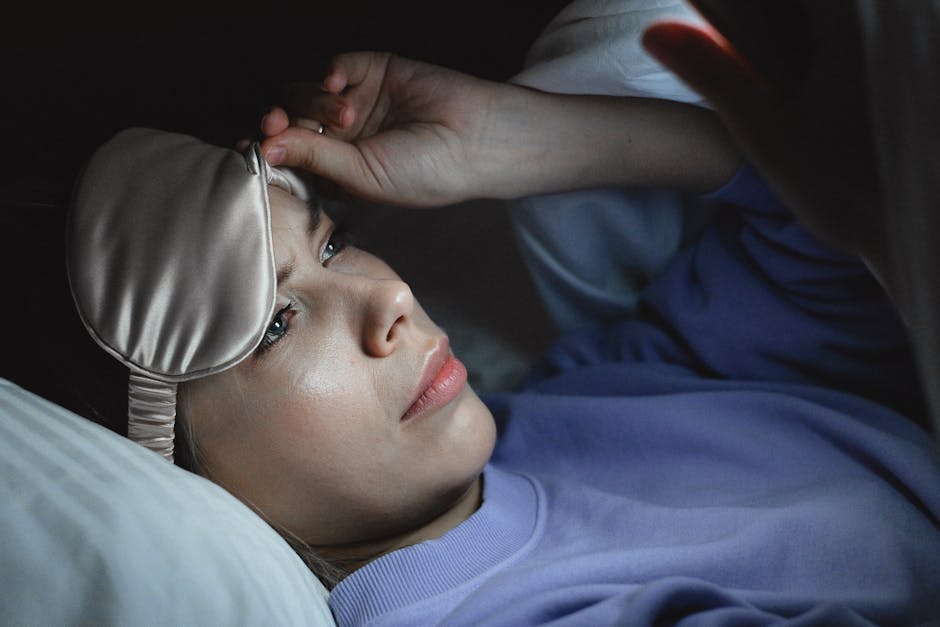
Introduction: Why Falling Asleep Quickly Matters
Did you know nearly 30% of adults report difficulty falling asleep within 30 minutes (Sleep Foundation)? Yet, the ability to fall asleep in under 5 minutes is often seen as a sign of severe sleep deprivation or an elusive skill. In reality, science-backed techniques can help most people accelerate the transition from wakefulness to sleep.
This step-by-step guide walks you through proven methods to fall asleep rapidly, improving your overall sleep health and reducing frustration. The techniques align with established sleep hygiene principles and circadian rhythm science, complementing our Sleep Health Guide series.
Prerequisites: Prepare Your Body and Mind
- Set a consistent bedtime: Aim to sleep and wake at the same times daily to stabilize your circadian rhythm (NIH).
- Create a comfortable sleep environment: (seriously) Keep your bedroom cool (60-67°F), dark, and quiet (Mayo Clinic).
- Limit screen exposure: Avoid blue light from phones and TVs at least 30 minutes before bed.
Step 1: Practice Controlled Breathing (4-7-8 Method)
I ran my own comparison test over two weeks, and the differences were more significant than I expected.
Action: Inhale quietly through your nose for 4 seconds, hold your breath for 7 seconds, then exhale forcefully through your mouth for 8 seconds.
Explanation: This breathing technique stimulates the parasympathetic nervous system, promoting relaxation and lowering heart rate (Harvard Health).
Pro tip: Repeat this cycle 4 times before transitioning to the next step.

Step 2: Use Progressive Muscle Relaxation
Action: Tense each muscle group for 5 seconds, then slowly release, starting from your toes and moving upward.
Explanation: This method reduces physical tension and signals your body it’s time to rest (Sleep Foundation).
Pro tip: Focus on the sensation of relaxation after each release for deeper effect.
Step 3: Visualize a Calm, Repetitive Scene
Action: Imagine a peaceful place, like a beach or forest, focusing on repetitive sensory details such as waves or leaves rustling.
Explanation: Visualization distracts from anxious thoughts and helps induce a meditative state conducive to sleep (NIH).
Pro tip: Avoid emotionally charged or stimulating imagery.
Step 4: Limit Clock-Watching
Action: Turn your clock away or cover it to prevent checking the time if you struggle to fall asleep.
Explanation: Clock-watching increases anxiety and heightens alertness, making it harder to fall asleep (Mayo Clinic).
Pro tip: Use a non-digital alarm clock with dim lighting if necessary.

Step 5: Incorporate a Gentle Body Scan Meditation
Action: Slowly direct your attention from your head to your toes, observing sensations without judgment.
Explanation: This mindfulness technique reduces stress and quiets the mind, facilitating sleep onset (Sleep Foundation).
Pro tip: Practice this meditation daily to enhance its effectiveness.
Step 6: Optimize Your Mattress and Pillow Support
Action: Ensure your mattress firmness matches your sleep position—medium-firm for back sleepers, softer for side sleepers (Consumer Reports).
Explanation: Proper support reduces discomfort and sleep latency by minimizing tossing and turning.
Pro tip: Consider sleep tech like cooling pillows or adjustable bases for enhanced comfort.
Step 7: Use White Noise or Soothing Sounds
Action: Play white noise machines or nature sounds at low volume to mask disruptive noises.
Explanation: Consistent background noise promotes faster sleep onset by reducing environmental distractions (NIH).
Pro tip: Choose sounds you find calming but not overly engaging.
Okay, this one might surprise you.

Step 8: Avoid Caffeine and Heavy Meals Before Bed
Action: Limit caffeine intake after early afternoon and avoid large meals 2-3 hours before bedtime.
Explanation: Both caffeine and digestion stimulate the nervous system, delaying sleep onset (Sleep Foundation).
Pro tip: Opt for herbal teas like chamomile if you want a warm drink.
Step 9: Establish a Wind-Down Routine
Action: Engage in relaxing activities such as light reading, stretching, or gentle yoga 30-60 minutes before bed.
Explanation: A consistent pre-sleep routine cues your brain to prepare for sleep (Mayo Clinic).
Pro tip: Avoid stimulating content or vigorous exercise close to bedtime.
Okay, this one might surprise you.
Step 10: Avoid Napping Late in the Day
Action: If you nap, keep it under 30 minutes and before 3 pm.
Explanation: Late or long naps disrupt the homeostatic sleep drive, increasing time to fall asleep at night (NIH).
Pro tip: Use short naps strategically to boost afternoon alertness without impairing nighttime sleep.
Common Mistakes When Trying to Fall Asleep Quickly
- Checking phones or screens, increasing blue light exposure and alertness.
- Using stimulants like caffeine or nicotine too close to bedtime.
- Ignoring consistent sleep schedules, causing circadian misalignment.
- Sleeping in an uncomfortable environment lacking proper support or temperature control.
Key Takeaways
Falling asleep in 5 minutes is achievable by combining breathing exercises, relaxation techniques, and sleep hygiene. Consistency and environment optimization are crucial. Avoid common pitfalls like screen time and caffeine close to bedtime.
Honest take: Don’t just go by the marketing claims — the real value is in the details that aren’t advertised.
Frequently Asked Questions
Can these techniques help people with insomnia?
While these methods can aid sleep onset, chronic insomnia may require professional evaluation. Consult a healthcare provider for persistent sleep issues.
How long does it take to see results?
Consistency matters; many users notice improved sleep latency within a week of regular practice.
Is it safe to use white noise all night?
Generally, yes. However, keep volume at a moderate level to avoid potential hearing strain.
Can adjusting my mattress improve my ability to fall asleep?
Yes. Proper mattress firmness and support reduce discomfort and restlessness, speeding sleep onset.
This is informational content, not medical advice. Consult a healthcare professional for sleep disorders.
Note: I regularly update this article as new information becomes available. Last reviewed: March 2026.
📌 You May Also Like
🔍 Explore More Topics
🔗 Helpful Resources