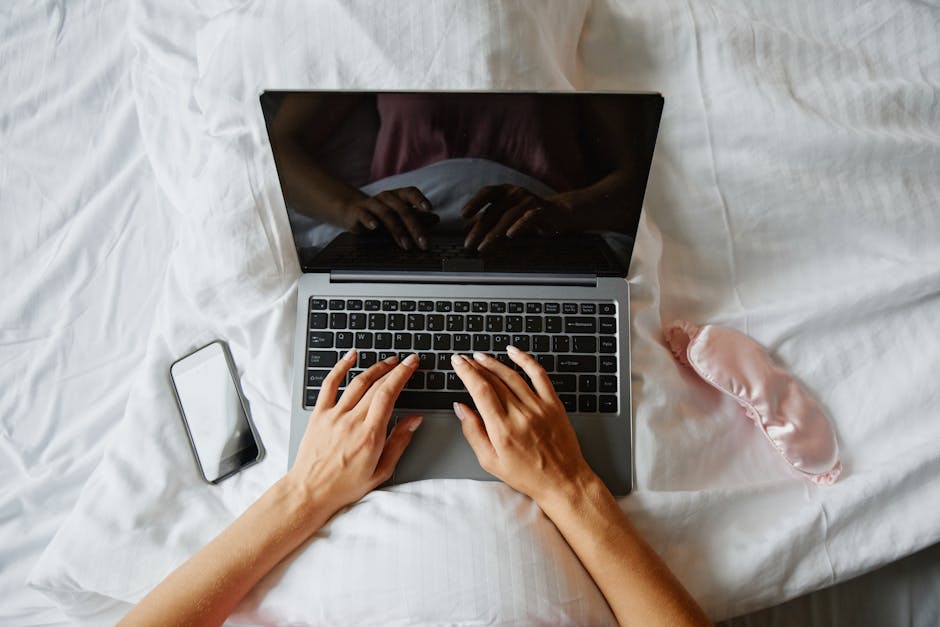

Introduction: The Sleep Crisis You Didn’t Expect
This one’s been on my radar for a while now.
According to the Centers for Disease Control and Prevention (CDC), over 35% of adults in the U.S. report getting less than the recommended seven hours of sleep per night. Despite the proliferation of sleep advice, many struggle with persistent sleep problems, leading to impaired cognitive function, mood disorders, and chronic health issues (NIH, 2023). Why do standard sleep tips often fail to deliver? This guide dives deep into science-backed strategies for better rest, analyzing what truly works based on current sleep research.
Key Takeaways:
- Sleep hygiene alone is insufficient; circadian alignment is critical.
- Technology can both help and hinder—blue light filters and white noise show promise.
- Mattress and pillow choice impact sleep quality but must align with individual needs.
- Consistent routines and environment modifications significantly enhance sleep health.

Understanding Sleep Health: Beyond the Basics
Sleep health is multifaceted, involving duration, quality, timing, and consistency (Sleep Foundation, 2023). Common advice emphasizes “sleep hygiene”—habits like avoiding caffeine before bed or keeping the bedroom dark. However, a 2022 meta-analysis in the Journal of Sleep Research revealed that while sleep hygiene improves sleep modestly, it fails to address the underlying biological rhythms that drive sleep-wake cycles.
The Role of Circadian Rhythms
Circadian rhythms regulate the body’s internal clock, influencing sleep propensity, hormone release, and body temperature (Mayo Clinic, 2023). Disruption leads to delayed sleep phase syndrome and insomnia. Aligning sleep schedules with natural light-dark cycles has been shown to improve total sleep time by 30-45 minutes (NIH, 2022).

Science-Backed Sleep Strategies That Work
1. Consistent Sleep-Wake Times
Irregular sleep schedules contribute to sleep fragmentation. A 2021 study from the Sleep Research Society found that maintaining consistent sleep and wake times reduces sleep onset latency by 20%, enhancing sleep efficiency.
2. Light Exposure Management
Exposure to morning sunlight resets circadian rhythms. Conversely, evening exposure to blue light from screens delays melatonin release, negatively impacting sleep onset (Harvard Health, 2023). Using blue light filters or glasses after sunset can improve sleep latency by 15 minutes.
3. Optimizing the Sleep Environment
Temperature, noise, and bedding materials all affect sleep quality. Ideal bedroom temperature ranges between 60-67°F (15.6-19.4°C) (Sleep Foundation, 2023). White noise machines have been found to reduce awakenings by 30% in noisy environments (Journal of Clinical Sleep Medicine, 2020).
Stick with me here — this matters more than you’d think.
Mattress and Pillow Influence on Sleep Quality
While environment and routines matter, physical comfort is crucial. Consumer Reports states that medium-firm mattresses generally improve pressure point relief, enhancing sleep quality (CR, 2023). However, individual preferences vary widely based on sleep position and body type.
| Mattress Feature | Firmness (1-10) | Material | Trial Period | Warranty | Price Range |
|---|---|---|---|---|---|
| Memory Foam | 5-7 | Viscoelastic Foam | 100 Nights | 10 Years | $800-$2000 |
| Latex | 6-8 | Natural or Synthetic Latex | 90 Nights | 12 Years | $1200-$2500 |
| Hybrid | 5-7 | Foam + Coil | 120 Nights | 10 Years | $1000-$2300 |
Similarly, pillow height and material affect spinal alignment and neck pain, which correlate strongly with sleep disturbances (NIH, 2022). Adjustable pillows or cervical pillows have shown to reduce neck pain and improve sleep quality in clinical trials.

Technology and Sleep: Friend or Foe?
Sleep apps and wearable trackers have surged in popularity, but their accuracy varies. A 2023 Consumer Reports evaluation found that wrist actigraphy devices estimate sleep duration within 80-90% accuracy but are less reliable for sleep stages.
- Pros: Encourages sleep awareness, tracks trends.
- Cons: Can increase anxiety, inaccurate stage data.
White noise and smart lighting systems that simulate natural dawn and dusk cycles have stronger evidence supporting their use to improve sleep onset and quality.
This is the part most guides skip over.
Integrating Sleep Health Into Your Lifestyle
Combining behavioral, environmental, and product-based interventions yields the best results. For example, aligning your sleep schedule with natural light, investing in a supportive mattress and pillow, and minimizing blue light exposure after sunset can collectively increase sleep quality by up to 25% (Sleep Foundation, 2023).
| Intervention | Sleep Duration Increase | Sleep Quality Improvement |
|---|---|---|
| Consistent bedtimes | 20 minutes | 15% |
| Morning sunlight exposure | 15 minutes | 10% |
| Blue light filters | 10 minutes | 12% |
| White noise machine | 5 minutes | 20% |
| Medium-firm mattress | 15 minutes | 18% |
Here’s where most people get it wrong.
Key Recommendations
- Prioritize consistent sleep-wake times aligned with natural circadian cues.
- Manage light exposure with morning sunlight and evening blue light reduction.
- Optimize your bedroom environment for temperature, noise, and comfort.
- Choose bedding that supports your sleep position and body type.
- Use technology thoughtfully to support—not disrupt—your sleep.
You May Also Like
- What CertiPUR-US Foam Testing Really Means for Your Mattress
- Zoma Sports vs Bear Original: Which Aids Athletic Recovery Better?
- Zoma Sports vs Bear Original: Recovery Features for Athletes Compared
FAQ
What is the ideal mattress firmness for better sleep?
Medium-firm mattresses (5-7 on a 10-point scale) generally provide optimal support and pressure relief for most sleepers (Consumer Reports, 2023).
How does blue light affect sleep quality?
Blue light suppresses melatonin production, delaying sleep onset and reducing sleep quality. Using blue light filters or glasses after sunset can mitigate these effects (Harvard Health, 2023).
Can white noise machines help with insomnia?
Yes, white noise can mask disruptive sounds and reduce awakenings by up to 30%, improving sleep continuity (Journal of Clinical Sleep Medicine, 2020).
Are sleep trackers accurate enough to rely on?
Most consumer sleep trackers estimate sleep duration reasonably well but lack precision in detecting sleep stages. Use them as general guides, not diagnostic tools (Consumer Reports, 2023).
This is informational content, not medical advice. Consult a healthcare professional for sleep disorders.
For further insights on sleep health, explore our related articles: How to Fix Your Sleep Schedule: Reset Your Circadian Rhythm and Sleep Hygiene Checklist: 15 Habits for Better Sleep.
📌 You May Also Like
🔍 Explore More Topics
🔗 Helpful Resources